
The wider goldsmiths' trade in Elizabethan and Stuart London
90,00 €
Neuf · Vendu par Cultura FR · Prix à revérifier. Prix, stock et livraison à confirmer chez le marchand. Chercho partage cette offre et ne vend pas ce produit. Lien affilié.
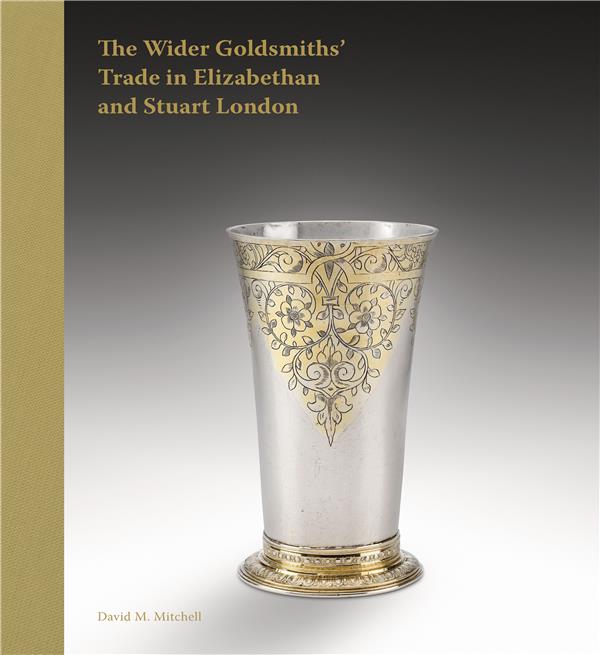
The Wider Goldsmiths' Trade in Elizabethan and Stuart London is the first book to study all aspects of the Goldsmiths' trade. It challenges the assumption that the manufacture of silver plate and gold jewellery was the company's only activity during the seventeenth century. It considers allied trades such as refining, wiredrawing, and the making of small-swords and watches, as well as the development of the modern banking system. On Elizabeth I's accession, England was essentially a 'third world economy', with exports mainly of wool, unfinished woolen cloth and some minerals, whilst imports consisted of a great range of goods including luxuries such as silks, fine linens, and even scissors. By the end of the seventeenth century, the situation was transformed: a burgeoning maritime trade with many parts of the world enabled the import of raw materials as well as some luxury goods and a wide range of exports which included certain goods produced in London with an international reputation for quality, such as beaver hats and mathematical instruments. Throughout the period, religious refugees and economic migrants brought their skills and knowledge to England. At the Restoration, Royalists returning to London from the Continent introduced French and Low Country fashions in dress, manners, cuisine and dining practice. Refining, wiredrawing, and the making of plate, smallwares and jewellery were at the heart of the trade and of concern to the Goldsmiths' Company that had responsibility for ensuring that the correct alloys were used for silver and gold wares. This was not always the case for clocks, watches and swords. Nevertheless, they are included in this study as several members of the Company were instrumental in the development of clock and watch making in the city. Towards the end of the seventeenth century, the great increase in the sale of watches with gold and silver cases forced the Company to become involved in the control of this trade. Similarly, after the Ci
Informations sur cette offre
- Catégorie
- Loisirs · Livres
- État
- Neuf
- ISBN de cette édition
- 9781915401076
- Marchand
- Cultura FR